




Advancing ESG Through Automated Car Wash Systems

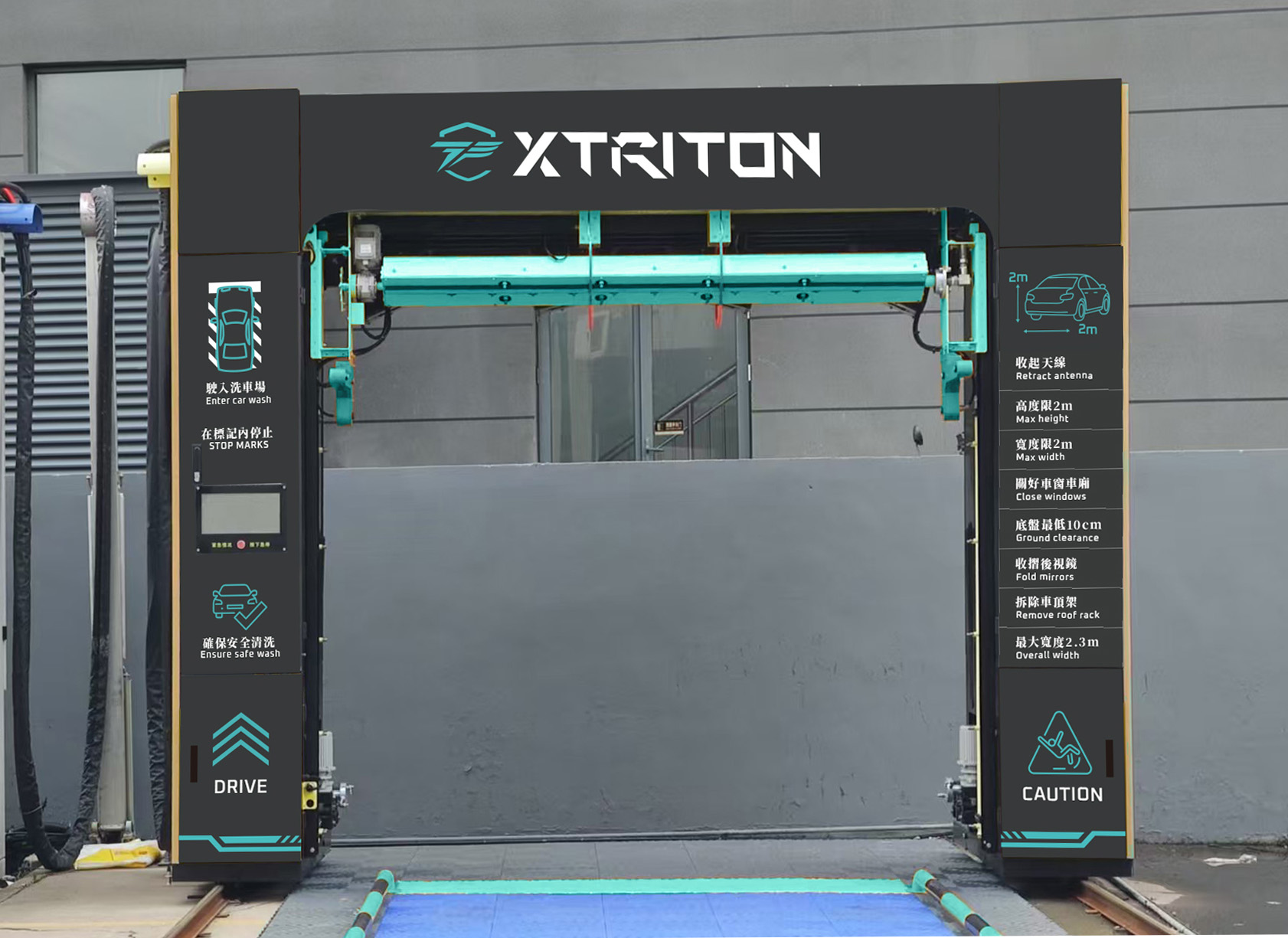
ESG—Environmental, Social, and Governance—has become a core principle of modern business operations. In the automotive service and cleaning industry in particular, the transition toward greener practices is no longer optional but an inevitable trend. As an indispensable part of the automotive aftermarket, car wash operations play a critical role in shaping a company’s sustainability performance. Their environmental impact and operational efficiency directly influence ESG assessments. This article takes an in-depth look at how automated car wash systems—especially high-efficiency, touchless solutions such as the XTRITON CL-1000PRO—can help enterprises effectively achieve ESG objectives across multiple dimensions.
Environmental Impact: Water, Energy, and Carbon Reduction
Traditional car washing methods commonly suffer from excessive water consumption, poorly controlled wastewater discharge, and low energy efficiency. Estimates show that a single manual car wash typically uses more than 150 liters of water. In contrast, the intelligent CL-1000PRO car wash system utilizes precise water flow control and a filtered water recycling system to reduce water usage to under 60 liters per wash, achieving water savings of over 60%.
In terms of energy performance, automated car wash systems equipped with variable-frequency low-noise blowers and AI-driven intelligent scheduling effectively reduce peak power consumption while shortening operating cycles, thereby lowering overall carbon emissions. In addition, precise, system-controlled dosing of cleaning agents helps minimize the release of volatile organic compounds (VOCs).
Social Impact: Enhancing Workplace Safety and Service Experience
The social dimension of ESG focuses on employee well-being and customer relationships. Traditional car wash operations are labor-intensive and prone to occupational hazards, such as prolonged bending and manual handling of high-pressure water jets. Automated car wash systems significantly reduce the need for manual intervention, lowering workplace safety risks while making it easier for businesses to recruit and retain employees.
At the same time, vehicle owners benefit from a fast, convenient, and touchless car wash experience, which helps strengthen brand image and customer loyalty. This experience-first design philosophy aligns closely with today’s societal emphasis on human-centered technology.

Governance: Data-Driven Management Enhancing Corporate Transparency
Modern automated car wash equipment is no longer merely mechanical hardware but a key node within an intelligent management platform. Taking XTRITON systems as an example, they provide data such as remote monitoring, energy consumption analysis, equipment utilization rates, and maintenance records, enabling management teams to make timely and informed decisions.
These data not only improve internal operational efficiency but also serve as quantifiable benchmarks for ESG reporting, enabling companies to better meet the expectations of investors and government stakeholders regarding corporate responsibility.
ESG and Smart Car Wash Systems: A Symbiotic Partnership
ESG is not solely a concern for large enterprises but a strategic direction that every service operator must address. Intelligent automated car wash systems serve as practical tools for advancing three core sustainability goals: environmental responsibility, workplace safety, and digital governance. By adopting solutions such as the CL-1000PRO from XTRITON, businesses can not only reduce costs and improve operational efficiency but also build long-term, sustainable competitive advantage.
Looking ahead, as green regulations and sustainability rating frameworks become increasingly stringent, those who adopt smart, environmentally responsible equipment early will be best positioned to gain a competitive edge in the next wave of transformation.