




XTRITON Robots vs. Traditional Auto Paint Shops
Intelligent Spray-Painting Technology Innovation
How Intelligent Spray-Painting Robots Disrupt Traditional Models—from Efficiency and Quality to Cost and Sustainability
With the rapid advancement of AI-driven industrial technologies, automotive paint technology is also undergoing a major technological transformation.
Traditional automotive paint shops have long relied on manual operations. However, with the introduction of automation equipment, intelligent biomimetic spray-painting robots have gradually emerged as a new market trend.
This article provides an in-depth comparison of the XTRITON intelligent biomimetic spray-painting robot and traditional automotive paint shops from the perspectives of efficiency, quality, cost, safety, and environmental impact, analyzing the strengths and limitations of each approach.
Traditional automotive paint shops rely heavily on the skill level of experienced painters, with the spray-painting process often requiring meticulous handling by seasoned technicians. According to market research, traditional manual spray painting can complete an average of 2–3 vehicles per week, whereas the XTRITON intelligent biomimetic spray-painting robot can complete 5–6 vehicles per day, significantly improving production efficiency. In addition, manual operations are inevitably affected by fatigue, meaning efficiency is often limited by workers’ working hours and physical endurance.
The XTRITON intelligent biomimetic spray-painting robot uses high-precision robotic arms combined with a 3D vision recognition system to automatically adjust spray angles and distances. Capable of 24/7 continuous operation, it further shortens production cycles.
In addition, the automated spray-painting system of the XTRITON intelligent biomimetic spray-painting robot precisely controls spray coverage and coating thickness, reducing unnecessary rework and touch-ups and effectively lowering time costs.
Quality Comparison:
Traditional manual spray painting is highly dependent on the skill level of technicians and may result in issues such as uneven coating and noticeable color variation. This is especially true when working on large vehicle surfaces or multi-layer paint applications, where maintaining consistency through manual operation is challenging. In addition, environmental factors such as fluctuations in temperature and humidity can cause uneven drying rates, further affecting paint quality.
The XTRITON intelligent biomimetic spray-painting robot is equipped with an AI control system that can monitor environmental temperature and humidity in real time and automatically adjust spray parameters—including nozzle pressure, spray speed, and drying time—to ensure a smooth, flawless finish with uniform color. This capability represents a key advantage for brands with exceptionally high quality standards, such as Tesla.
In contrast, the XTRITON intelligent biomimetic spray-painting robot is equipped with an advanced AI control system that uses dynamic path-planning technology to achieve precise spraying. Each operation consistently meets the same quality standards, ensuring a smooth, flawless finish with uniform color. For high-end vehicles such as Tesla, the stability and consistency of the XTRITON system align perfectly with their stringent quality requirements.
Cost Comparison:
Although traditional paint shops have lower initial setup costs, rising labor expenses year after year steadily increase overall operating costs. In addition, manual operations often require frequent rework and touch-ups, which indirectly raise both material usage and time costs.
By contrast, AI-powered intelligent spray-painting robots require a higher initial investment, but their service life can reach 8–10 years, with relatively low maintenance costs. The XTRITON intelligent biomimetic spray-painting robot requires only two comprehensive inspections per year and features an automated parts replacement system, effectively reducing both maintenance time and costs.
By comparison, the XTRITON intelligent biomimetic spray-painting robot reduces labor costs through automated operation and minimizes paint waste, making its overall cost structure more competitive over long-term use. In addition, its intelligent paint-mixing system automatically adjusts paint application volumes based on vehicle models, further reducing paint loss.
Safety Comparison:
Traditional spray-painting operations require technicians to work inside spray booths, where prolonged exposure to paints, solvents, and other chemicals can pose serious health risks. In contrast, the XTRITON intelligent biomimetic spray-painting robot uses remote control technology, allowing operators to manage the process from a control room. This minimizes direct contact with hazardous substances and reduces the risk of occupational illnesses.
Environmental Comparison:
As environmental regulations become increasingly stringent, VOC (volatile organic compounds) emissions from traditional paint processes have come under growing scrutiny. Market data show that conventional manual spraying emits an average of 150–180 g of VOC per square meter. In contrast, the XTRITON intelligent biomimetic painting robot, equipped with a smart control system, limits VOC emissions to 90–100 g/m², achieving a reduction of approximately 40%.
The XTRITON intelligent biomimetic painting robot employs a precision control system and AI algorithms to minimize over-spraying and reduce VOC emissions. Equipped with an exhaust gas recovery and filtration system, it meets the environmental standards of modern automotive manufacturing. With VOC emissions and paint waste from manual spraying increasingly recognized as environmental concerns, this solution effectively addresses both.
The XTRITON intelligent biomimetic painting robot utilizes a precision control system and AI algorithms to minimize over-spraying, reduce VOC emissions, and features an exhaust gas recovery and filtration system, meeting the environmental standards of modern automotive manufacturing.
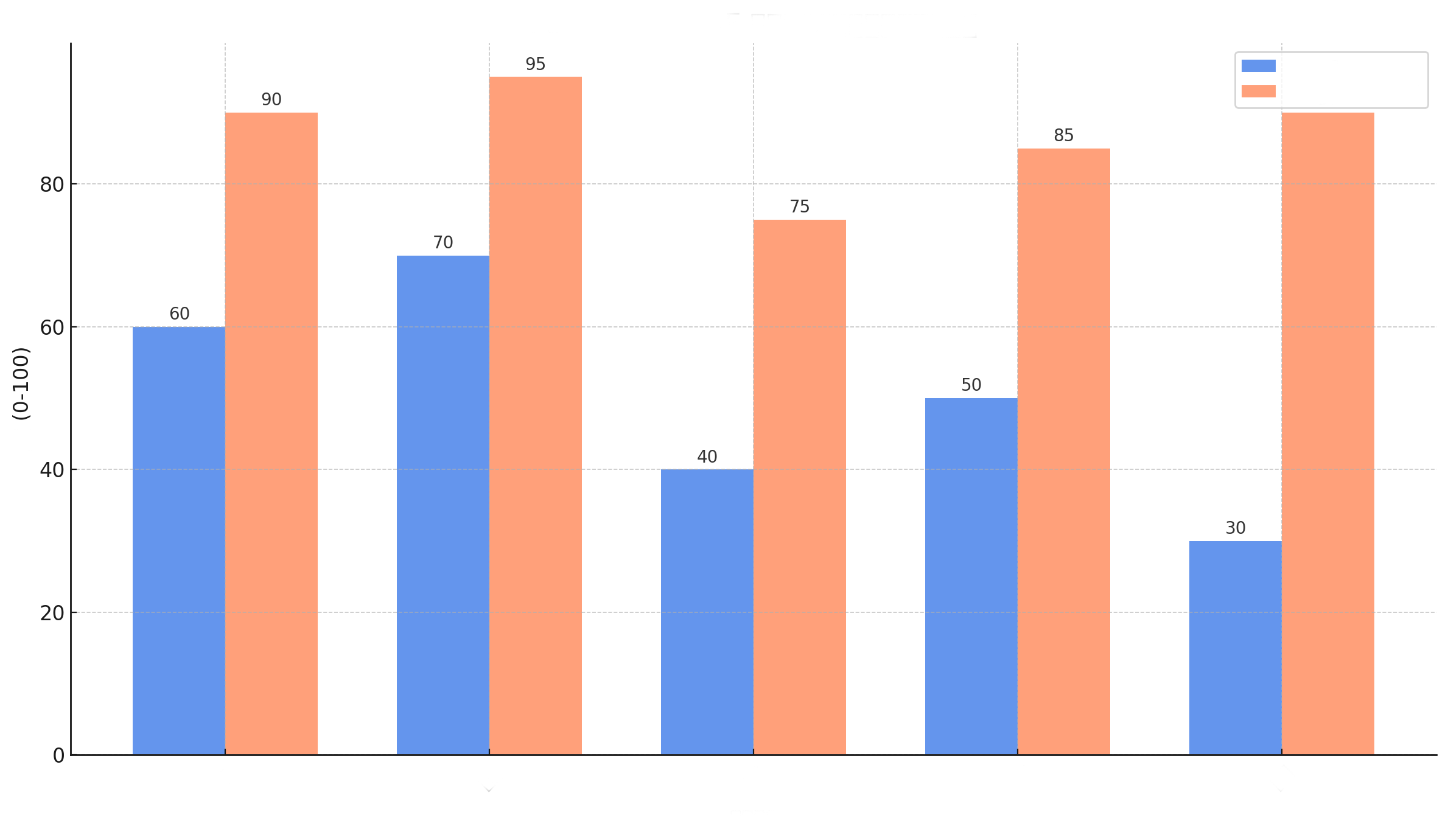
OverallThe XTRITON intelligent biomimetic painting robot demonstrates significant advantages in efficiency, quality, long-term cost control, safety, and environmental performance. Looking ahead, automated painting technology will continue to evolve, with AI control systems further integrating big data analytics and deep learning to enable smarter painting operations. In addition, XTRITON plans to develop a new generation of products to meet the diverse requirements of different vehicle types and painting scenarios.
As market demand for efficiency, quality, long-term cost control, safety, and environmental performance grows, intelligent painting robots are poised to become the mainstream trend in the future of automotive coating.